
We Do More
Than Tune.
This page is proof. Iron Ridge is a full-service performance build facility — engine work, forced induction, fabrication, drivetrain, wiring, data acquisition, and everything in between. Every category below is real in-house capability, not a vendor we subcontract to.
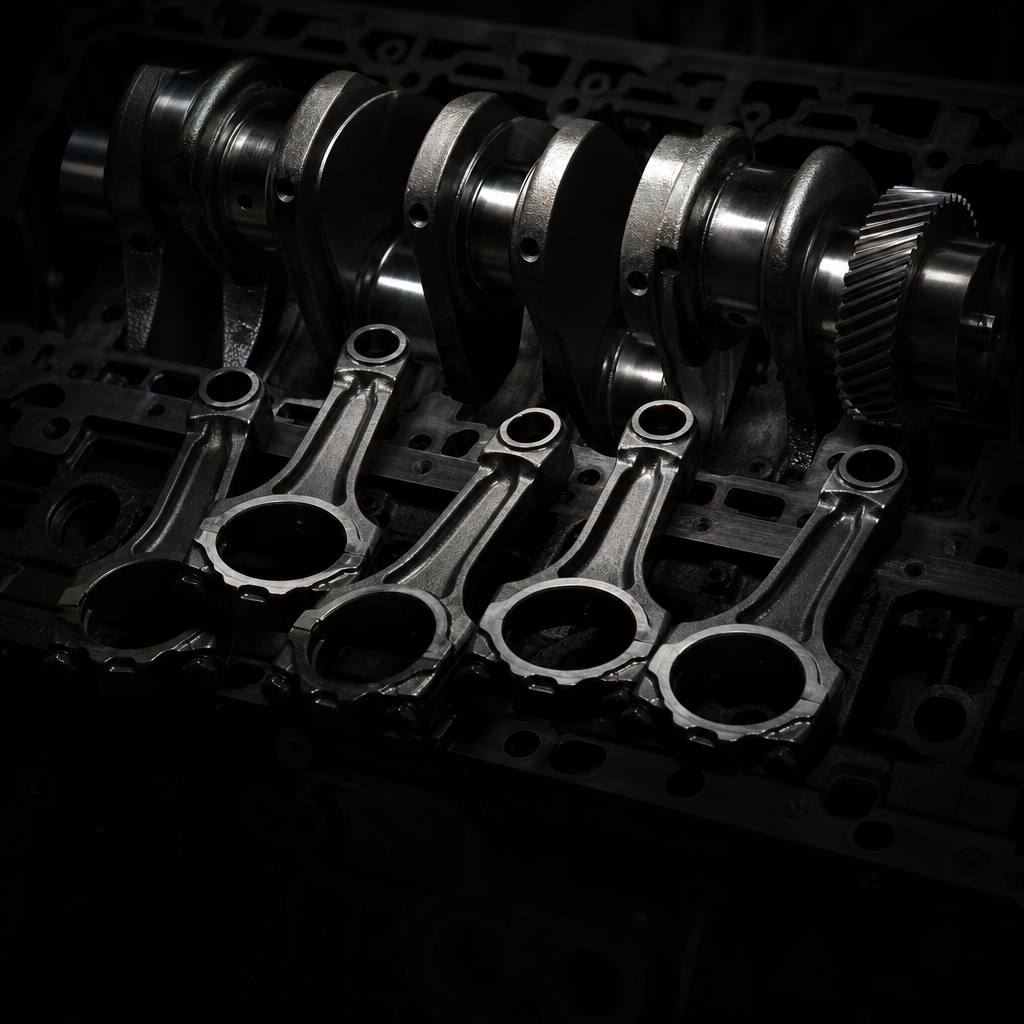
& Internals
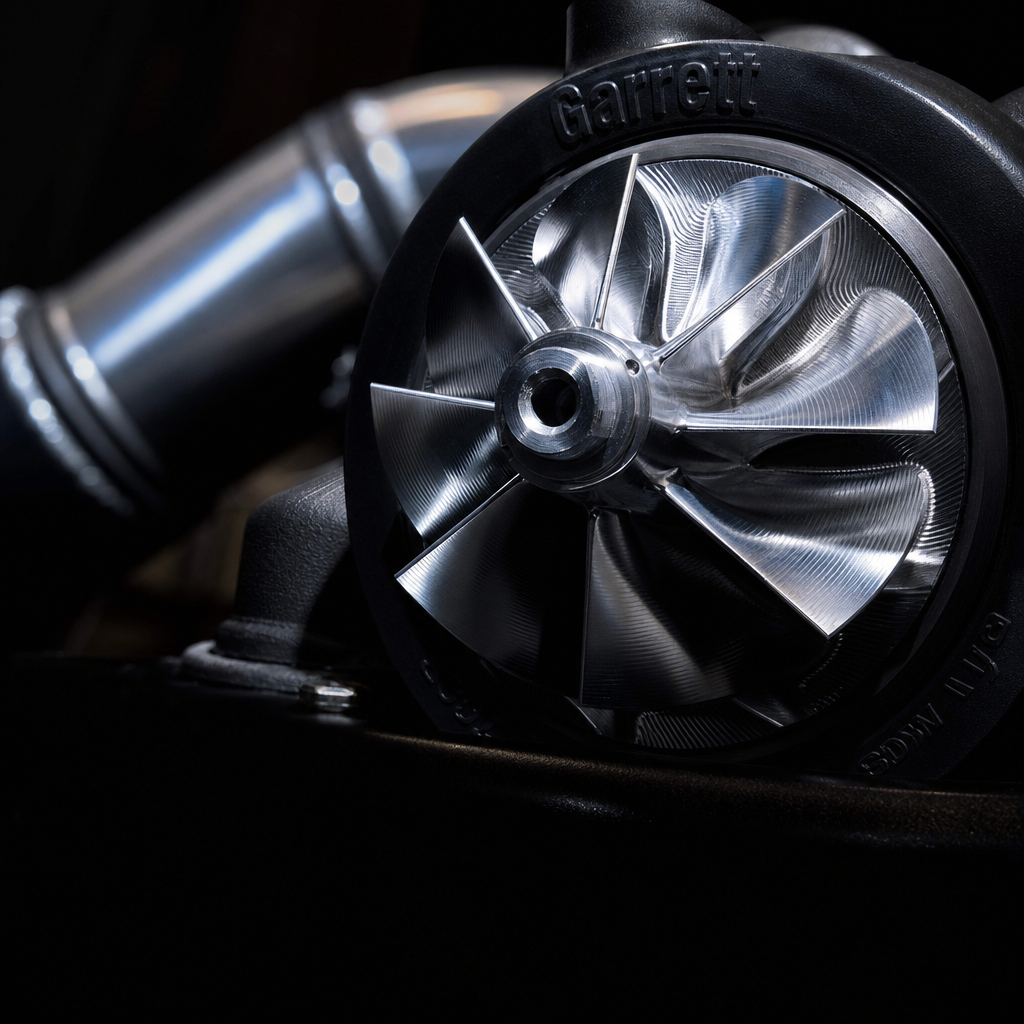
Induction
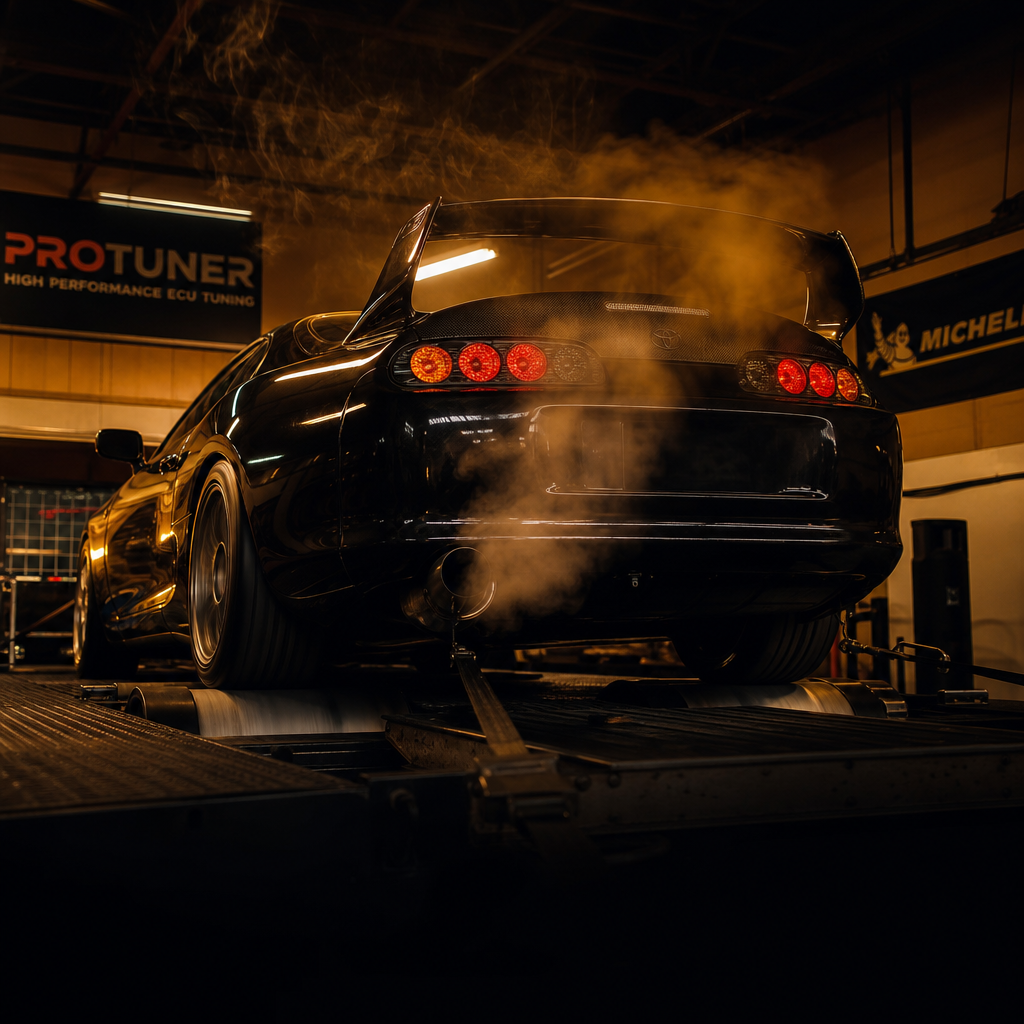
Tuning
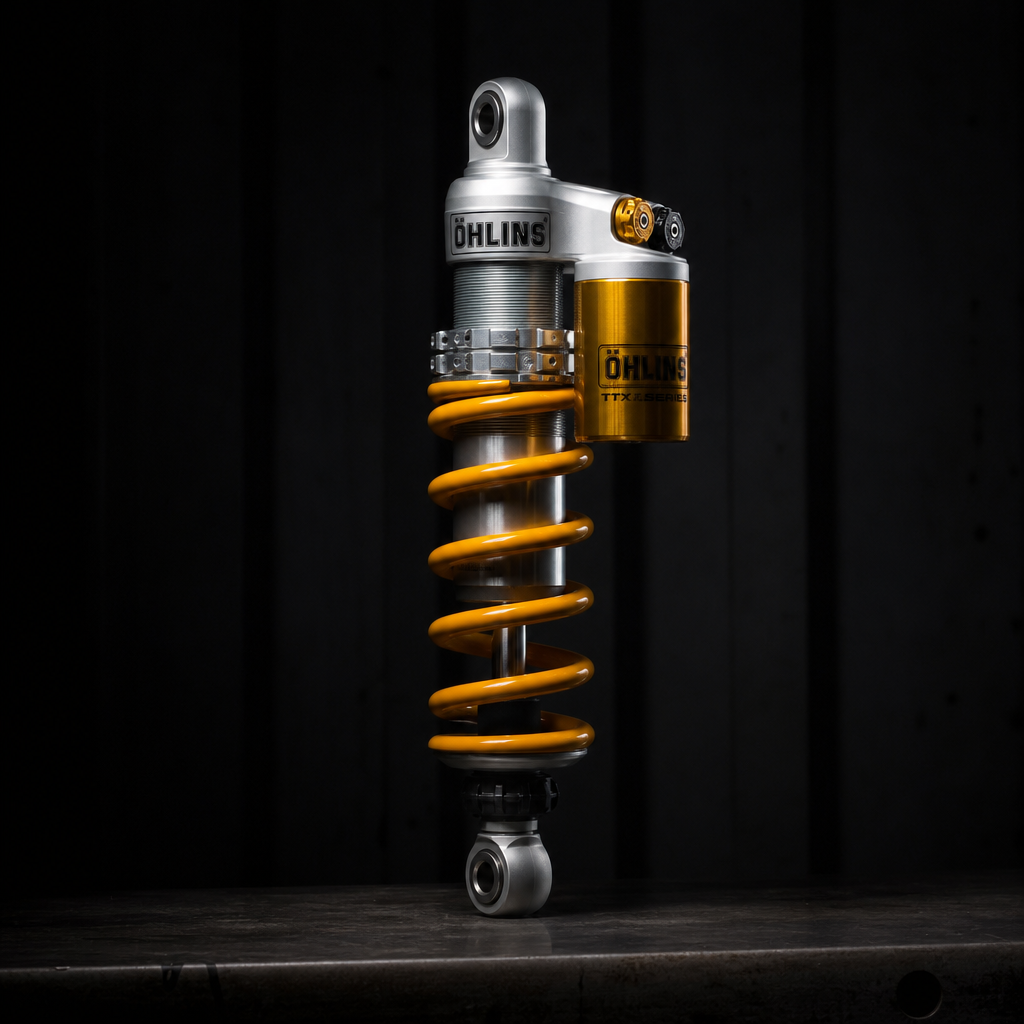
Corner Weight
Fabrication
What We Build,
Install, & Fabricate.
Nine service categories. One shop. Every service below is performed in-house by the same crew that tunes your engine and runs your dyno — nothing farmed out, nothing lost between vendors. Below is a detailed look at the work we do, the platforms we do it on, and what actually happens when it's done right versus when it isn't.
& Gearbox
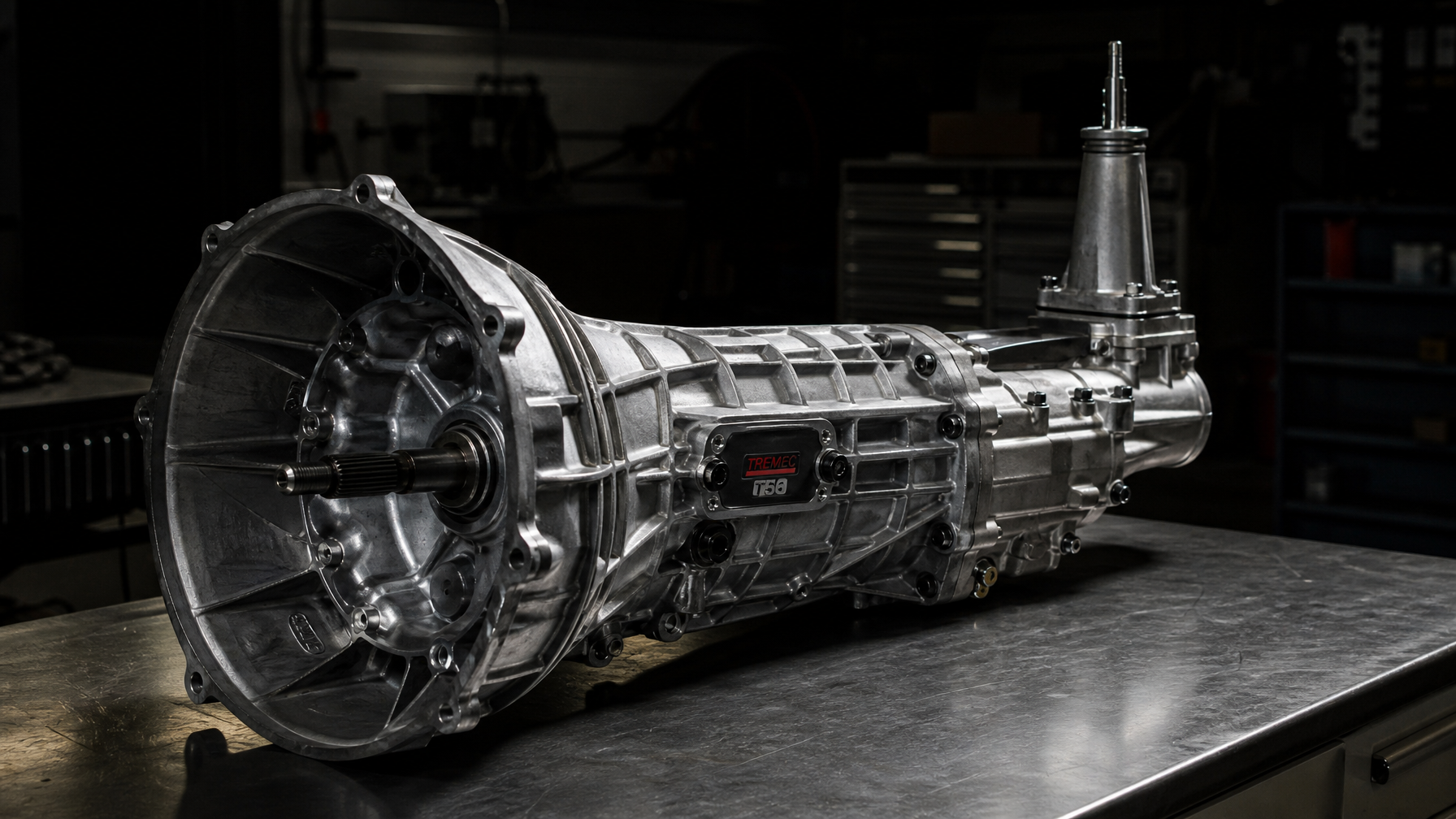
When you build more power, the transmission is the first component to expose whether the rest of the drivetrain was built to match. A stock T56 behind a built LS3 on 600 horsepower is a clutch pack waiting to fail. A sequential dog box paired with a properly spec'd clutch and flywheel is a different conversation entirely — it's a system that was designed for the power level and the discipline.
We rebuild and upgrade Tremec T56, TR6060, T5, and TKO transmissions for GM and Ford platforms, install sequential gearboxes (Hollinger, Quaife, Sadev) for road course and time attack applications, and handle full clutch system builds — flywheel, pressure plate, disc, hydraulic lines, and master cylinder — matched to the torque output and shift speed of the application. For auto-to-manual conversions we spec the pedal assembly, driveshaft modification, and tunnel work as part of the same job.
Houston summer heat puts real stress on transmission fluid. We spec fluid type and change intervals for every build based on track use — a car running summer lapping sessions at MSR Houston in August needs a different fluid management plan than a weekend car in October. We build that into the recommendation from day one.
Brake Upgrades
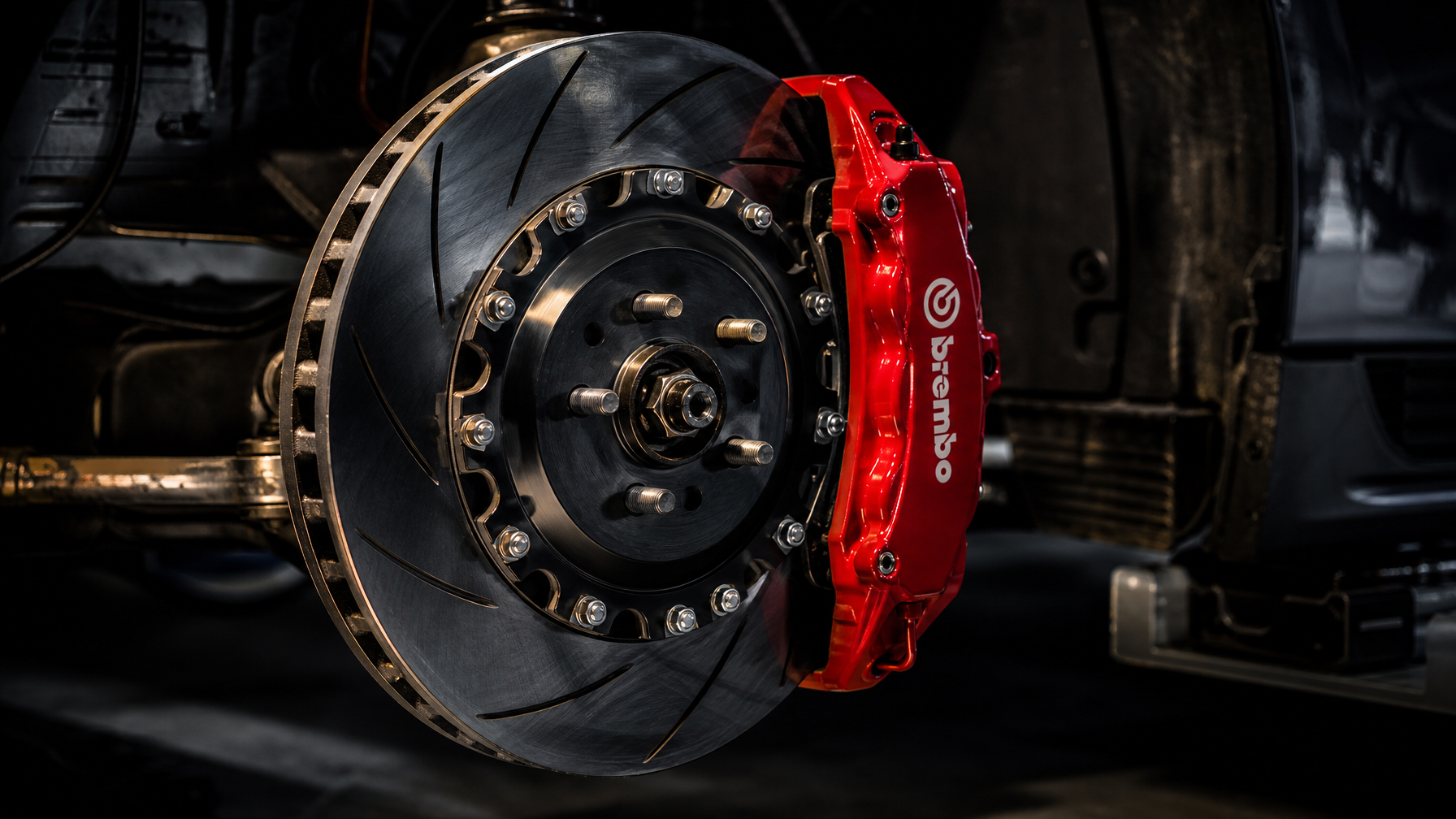
Fade-free braking at track speeds is not a luxury — it's the margin between a fast lap and a wall. Most street brake systems are designed to handle repeated light applications at low speed. They are not designed for the end-of-a-straight braking zone at Eagles Canyon or Turn 1 at MSR Houston where you're going from 120 mph to 40 in under 200 feet, repeatedly, for an entire session in August. That's a completely different thermal and mechanical demand.
We install Brembo and StopTech big brake kits for platforms that need larger rotors and multi-piston calipers, set up brake bias bars for road course and drag applications where front-to-rear balance matters as much as stopping force, and spec compounds by discipline — Hawk DTC-60 and Carbotech XP10 for road course, Wilwood BP-20 for drag. We also handle full stainless braided line upgrades, master cylinder sizing, and brake ducting installs for cars running extended sessions where rotor temperature management is part of the setup.
Brake fluid is overlooked on most builds. Standard DOT 4 boils out in a serious track session — we spec Castrol SRF or Motul RBF 660 for track applications and do a full bleed with temperature documentation on every brake build that leaves our shop.
Systems
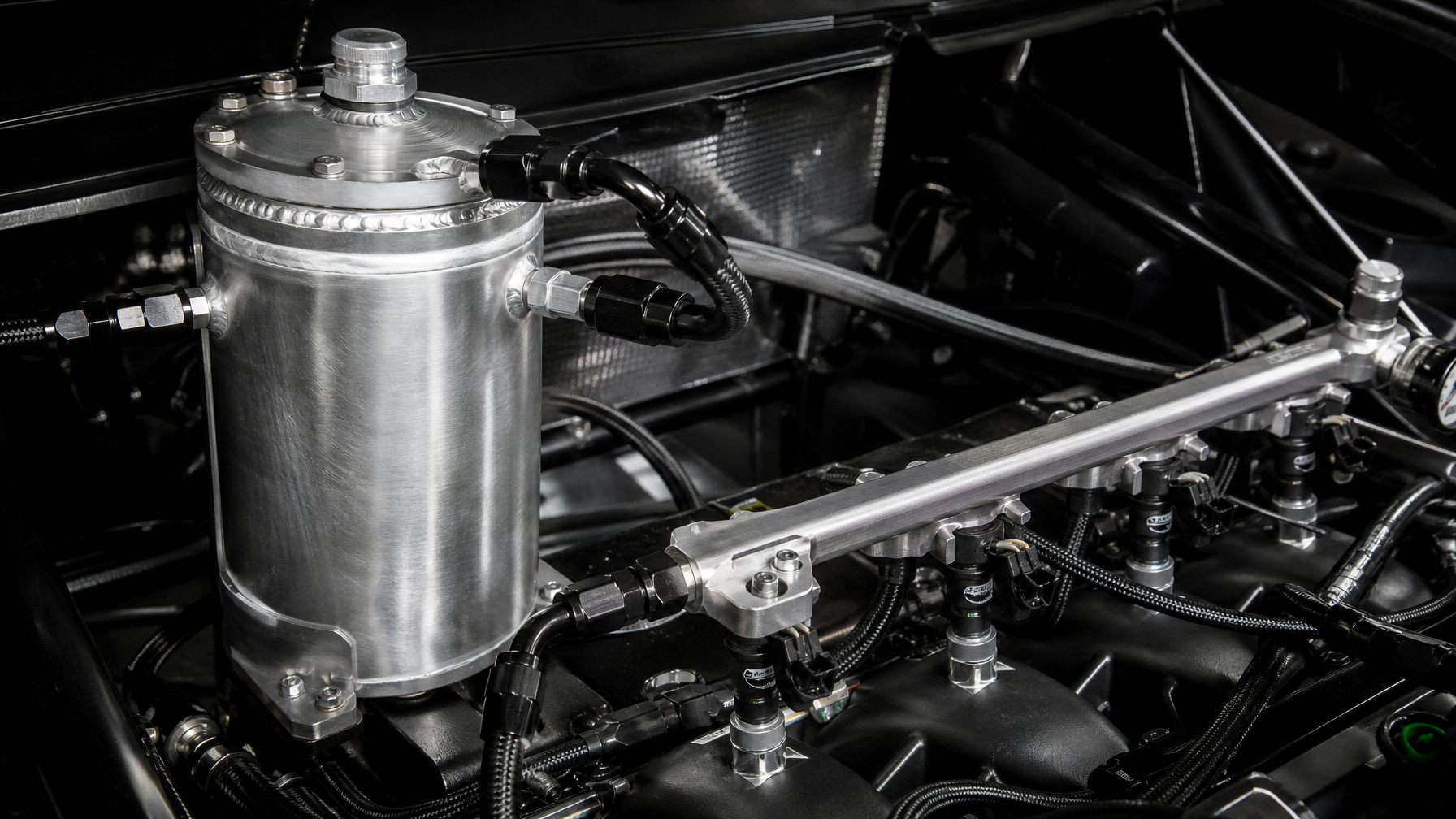
The fuel system is the most common reason a boosted build doesn't make the power it's supposed to. An injector that's sitting at 98% duty cycle under boost is not a tuning problem — it's a hardware problem. The tune has nowhere to go. We see this constantly on cars that were built somewhere else and came to us because the numbers on the dyno sheet don't match what was promised.
We size injectors to the actual target power level with a proper duty cycle margin — typically 80% or less at peak — using Injector Dynamics, Bosch, or DEKA sourced injectors matched to the ECU's injector characterization data. For E85 and flex fuel builds, sizing changes by 30–40% to account for the fuel's lower stoichiometric ratio, and we configure the ethanol content sensor and flex fuel table in the calibration at the same time. Surge tanks are fabricated or sourced based on platform, tank location, and cornering G-load — if the car corners hard enough to uncover the factory pickup, you'll starve the engine in exactly the corner you least want to starve it.
Every fuel system build ends on the dyno where we datalog fuel pressure, duty cycle, and lambda at full load across the RPM range before any power numbers are recorded. The fuel system has to be proven before the tune is considered finished.
Systems
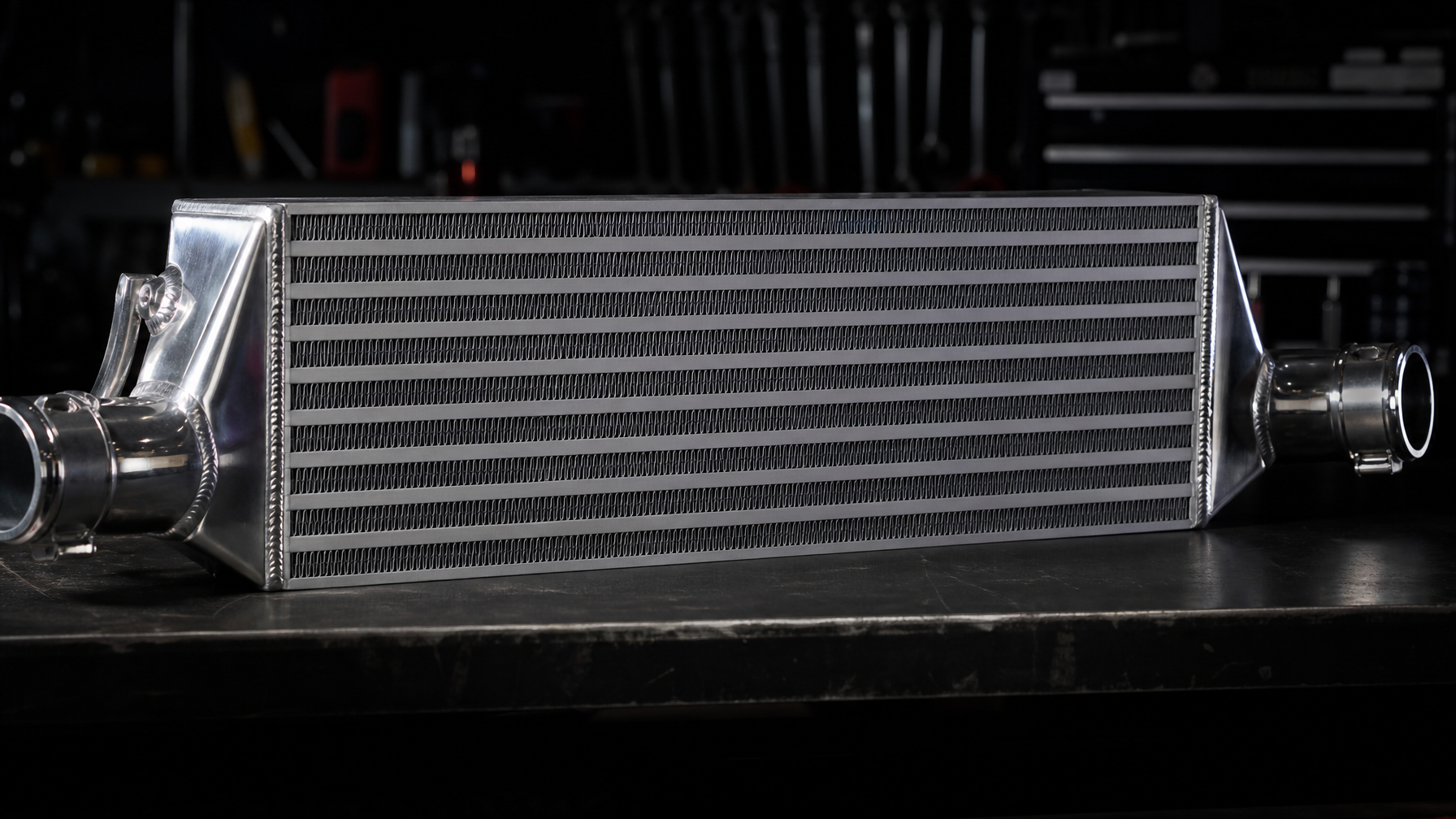
Houston is arguably the worst climate in the country for thermal management on a performance build. Ambient temperatures above 95°F from May through October, near-100% humidity that limits evaporative cooling in the underhood environment, and heat soak after an extended session that rolls the intake charge temperature up 30–40°F compared to the first pull of the day. A cooling system that works in Denver will cook the same car here. We engineer cooling for the actual operating environment, not the ideal one.
On the engine cooling side we upsize radiators based on engine output and track duty — aluminum 2-row or 3-row units, properly sized for the coolant flow rate of the specific water pump and the heat rejection target. For forced induction builds, intercooler sizing and placement matters as much as the turbo itself: a poorly placed or undersized intercooler means charge temperature climbs across a session and power drops with it. We install front-mount intercoolers (FMIC), top-mounts, and water-to-air systems depending on what the platform and boost level actually require — not what fits most easily.
Transmission and differential oil coolers are part of the thermal management conversation on any car running sustained track sessions. We include them in the build recommendation whenever the platform and use case warrant it — not as an upsell, but because the alternative is a gear oil failure mid-session.
& Headers
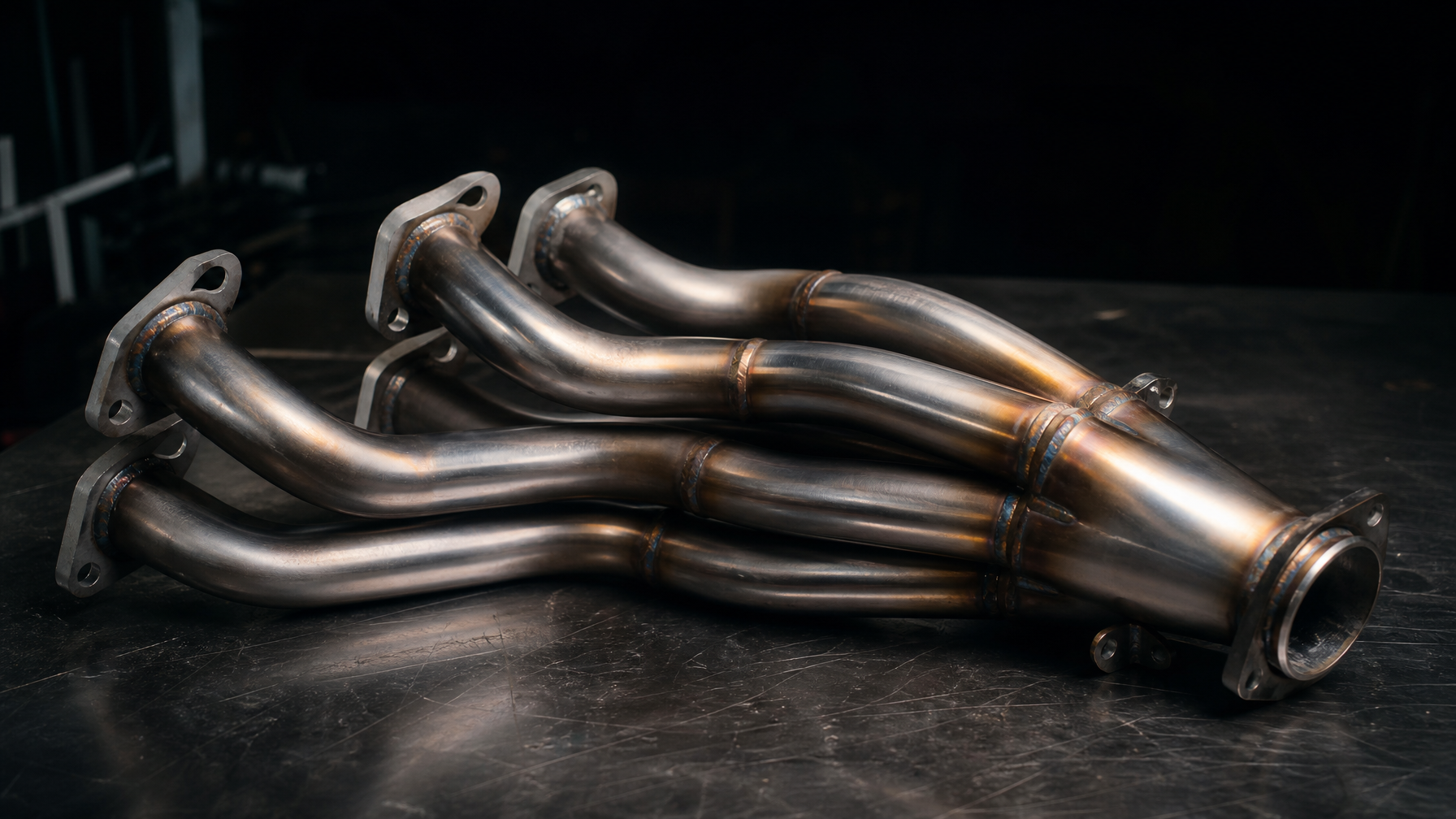
The exhaust is not a sound upgrade — it's part of the engine's breathing system, and getting it wrong costs real power. On a naturally aspirated engine, long-tube headers with the right primary diameter and collector design can add 20–30 horsepower over factory manifolds. On a turbocharged engine, equal-length manifolds reduce pulse interference at the turbine wheel and improve spool response, especially in the mid-range where street and track driving actually happens.
We install headers from Kooks, American Racing Headers, Stainless Works, and Hooker on domestic platforms, and fabricate custom turbo manifolds in-house for swap applications and builds where the catalog doesn't have an answer. For turbo manifold work, we TIG weld stainless and mild steel manifolds to the exducer diameter and wastegate placement the turbo and boost target actually require — a mislocated wastegate port is one of the most common reasons a turbocharged engine has surge or poor boost control. Cat-back and full exhaust systems are sized based on engine output and whether the car runs on public roads or track only — an over-piped exhaust on a street car gives up velocity and low-end torque; a track-only car can run whatever the rulebook allows.
& Axles
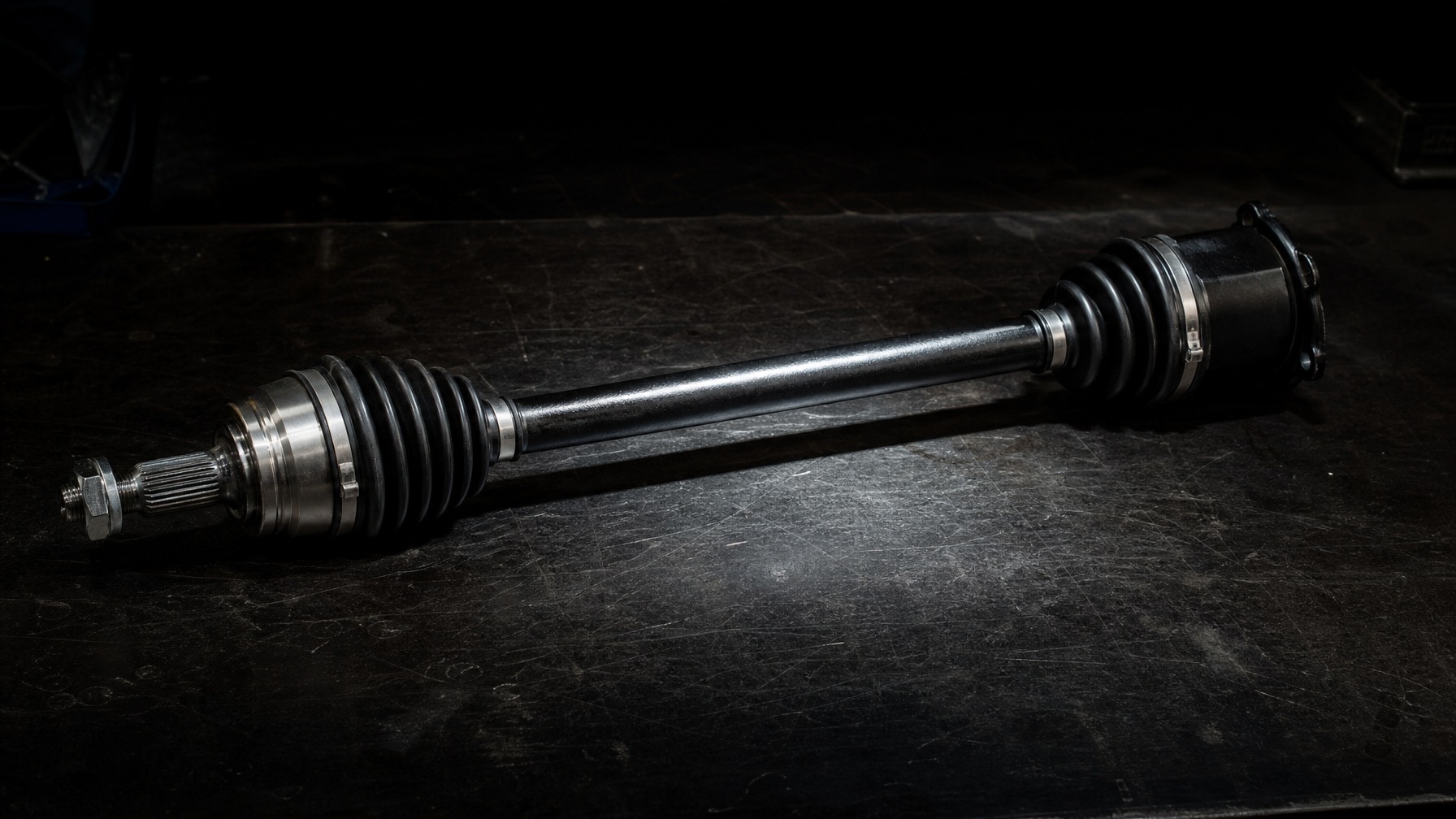
A 600-horsepower engine through a stock half shaft is not a performance build — it's a countdown timer. Stock axle shafts on most platforms are designed for the torque output and duty cycle the factory intended. When you change either of those, the axle is the component that pays the price first, usually at the worst possible moment, usually inside a corner or off a launch where the torque multiplication is highest.
We source and install upgraded half shafts and CV axles from Driveshaft Shop, GForce, and Strange Engineering, sized to the torque level and operating angle of the specific application. For LS-swapped and platform-swapped builds, driveshaft fabrication is part of the scope — we work with our driveshaft partners to build custom-length aluminum and chromoly units to the proper critical speed and u-joint spec. Differential work covers limited slip and locker installs, gear ratio changes for applications where the power curve or tire size changed, and full differential rebuilds with proper gear marking and pattern verification.
Every differential rebuild leaves the shop with a completed break-in procedure documented and a 500-mile fluid change scheduled — differential gear breaks in the same way engine break-in works, and the initial metal particle load in the fluid needs to come out before normal service intervals apply.
Fabrication
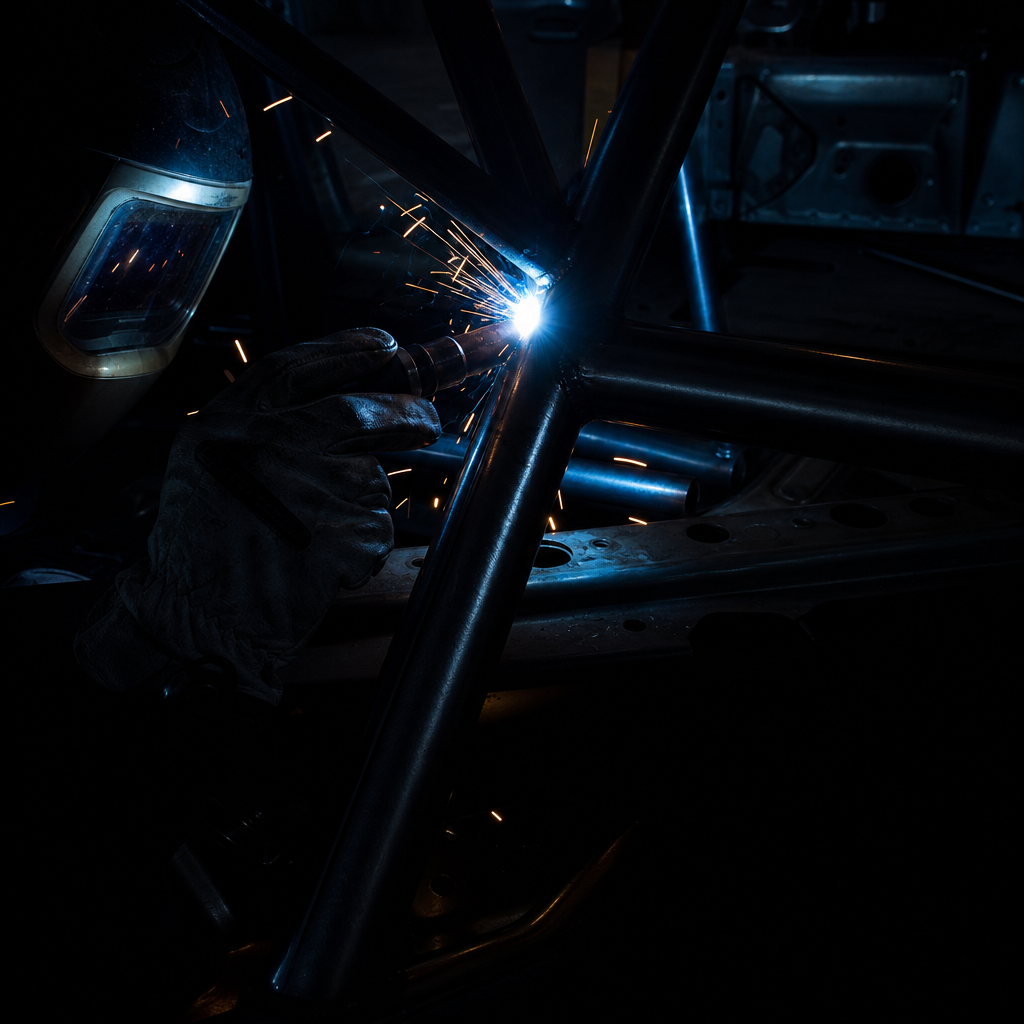
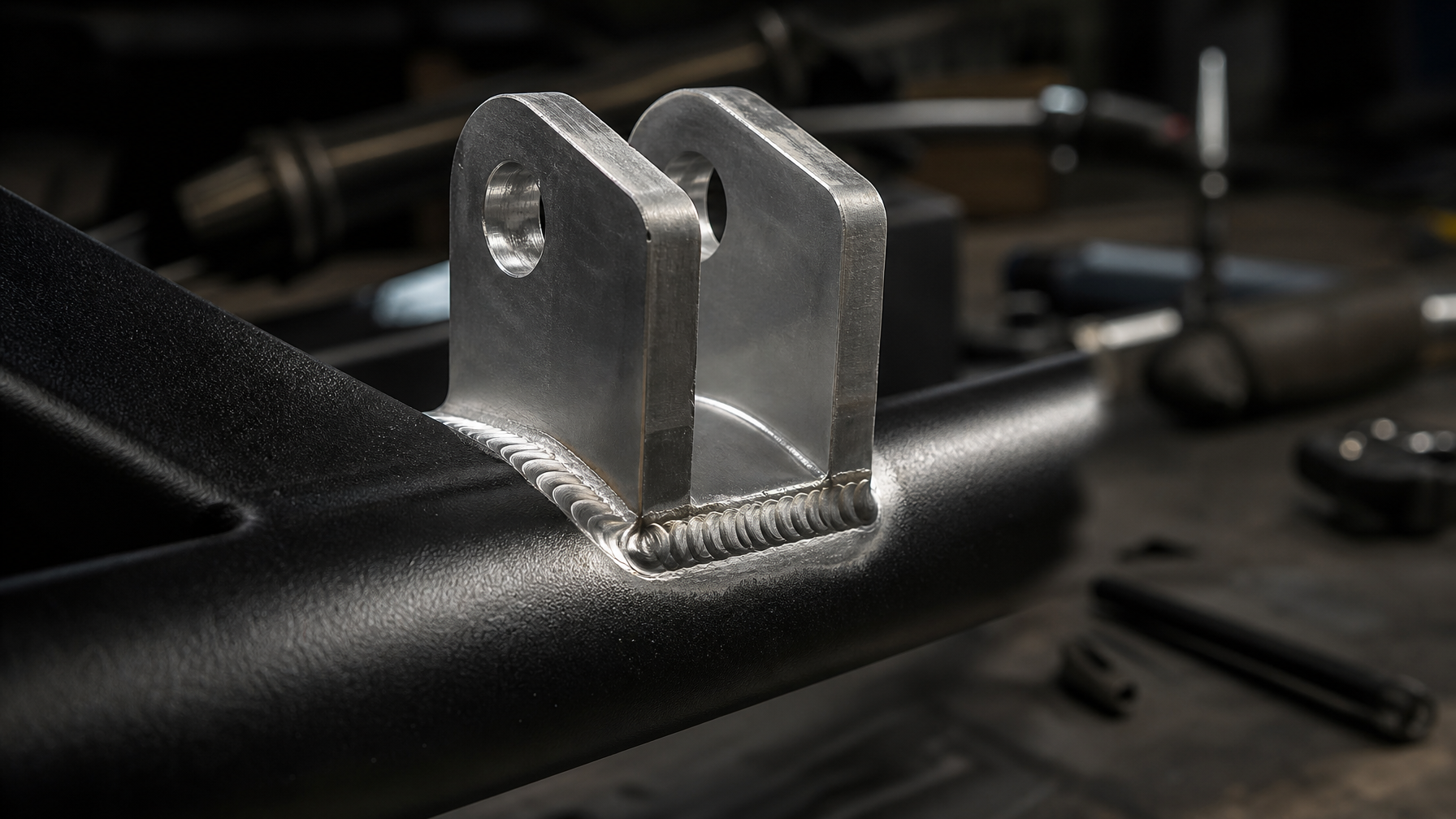
In-house fabrication is what separates a shop that installs kits from a shop that actually solves problems. When you're building a swap, a platform nobody makes parts for, or a car that's been modified enough that the catalog no longer applies, the fabrication bench is where the build either gets finished correctly or gets compromised. We don't compromise — we build the part.
Our fabrication capability covers engine and transmission mounts for swap applications, intercooler and radiator provisions for engine bays where nothing fits cleanly, custom fuel cell and surge tank mounting, bash plates and underbody protection for cars that see high-speed off-pavement, and chassis reinforcement and subframe work where the factory structure needs to be stiffened for track load. We TIG weld aluminum and stainless, MIG weld mild steel plate and tube, and run a press brake and plasma table for cut accuracy on flat stock.
Every fabrication job goes through dry-fit, full weld prep, weld, and finish in the same order — we do not skip the dry-fit step and we do not hand you bare steel. Exposed mild steel gets rust inhibitor and either rattle-can matte black or powder coat depending on what the application requires and what Houston humidity will do to it if it isn't sealed.
Electronics
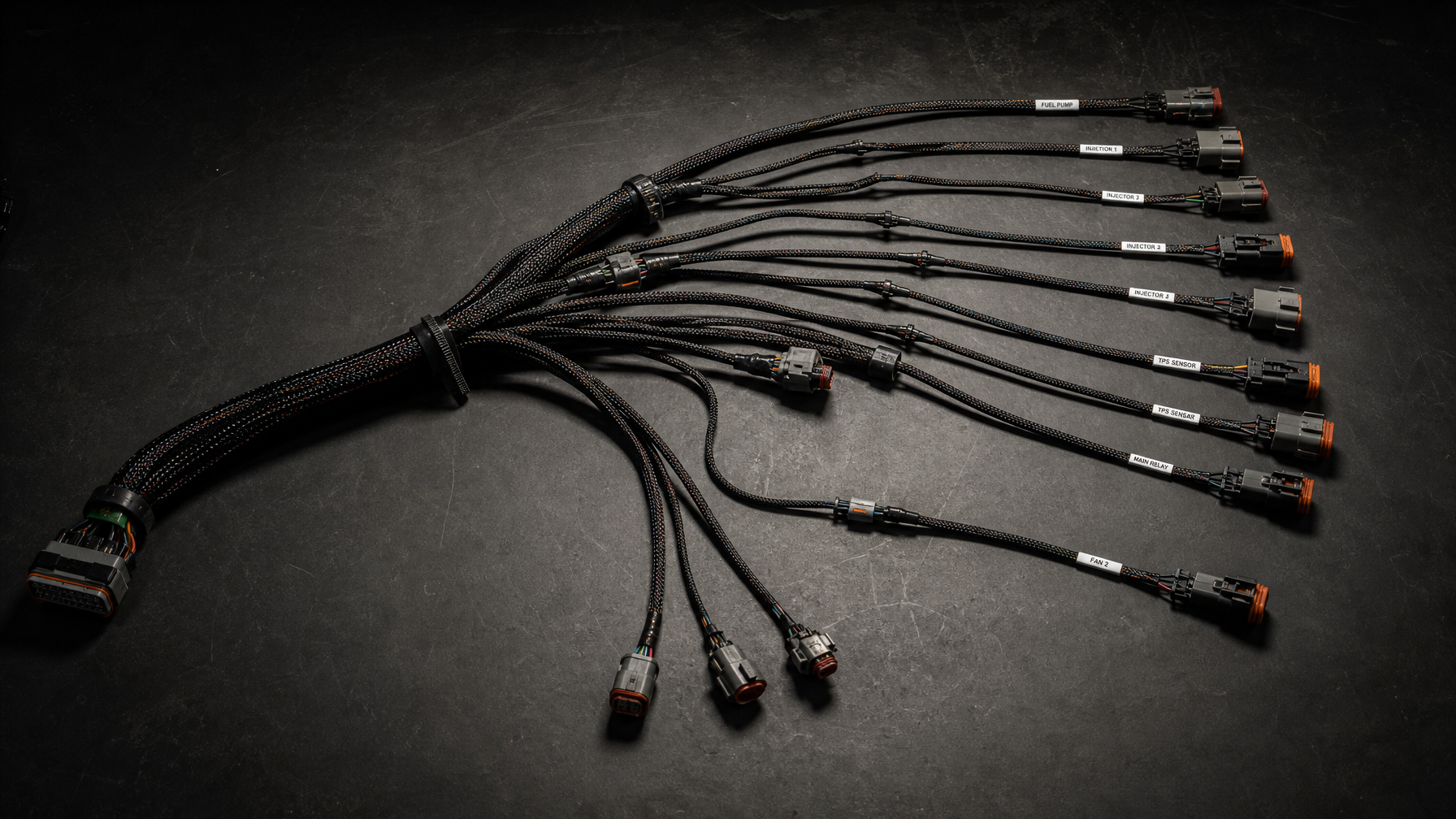
A bad harness will hunt you down on track. It might run fine in the paddock, fine on the warm-up lap, and then drop a sensor signal under sustained vibration at racing speed and put the car in limp mode on the straight. Or it'll arc at a Scotch-lok splice because the joint wasn't crimped and heat-shrunk — just twisted and taped — and at 200°F under the hood in July, the tape doesn't hold. We rebuild or fix bad harnesses constantly. We'd rather build you a clean one from scratch.
We build standalone ECU harnesses for AEM Infinity, Haltech Elite, Motec M1, Link G4+, and MegaSquirt platforms from scratch — properly labeled, individually sheathed, routed away from heat and abrasion points, and terminated with genuine Deutsch or Molex motorsport connectors with the correct crimp terminals. We also build fuse blocks and PDM installs for cars that have enough circuits to warrant a managed distribution system, and we handle the full sensor wiring for any build that's adding wideband O2, EGT, fuel pressure, oil pressure, and coolant temperature channels.
Houston humidity is the enemy of bare copper in any unsealed splice. We run marine-grade tinned copper on every harness we build, use adhesive-lined heat shrink on every splice and termination, and pressure-test every sensor circuit before the car leaves.
Acquisition
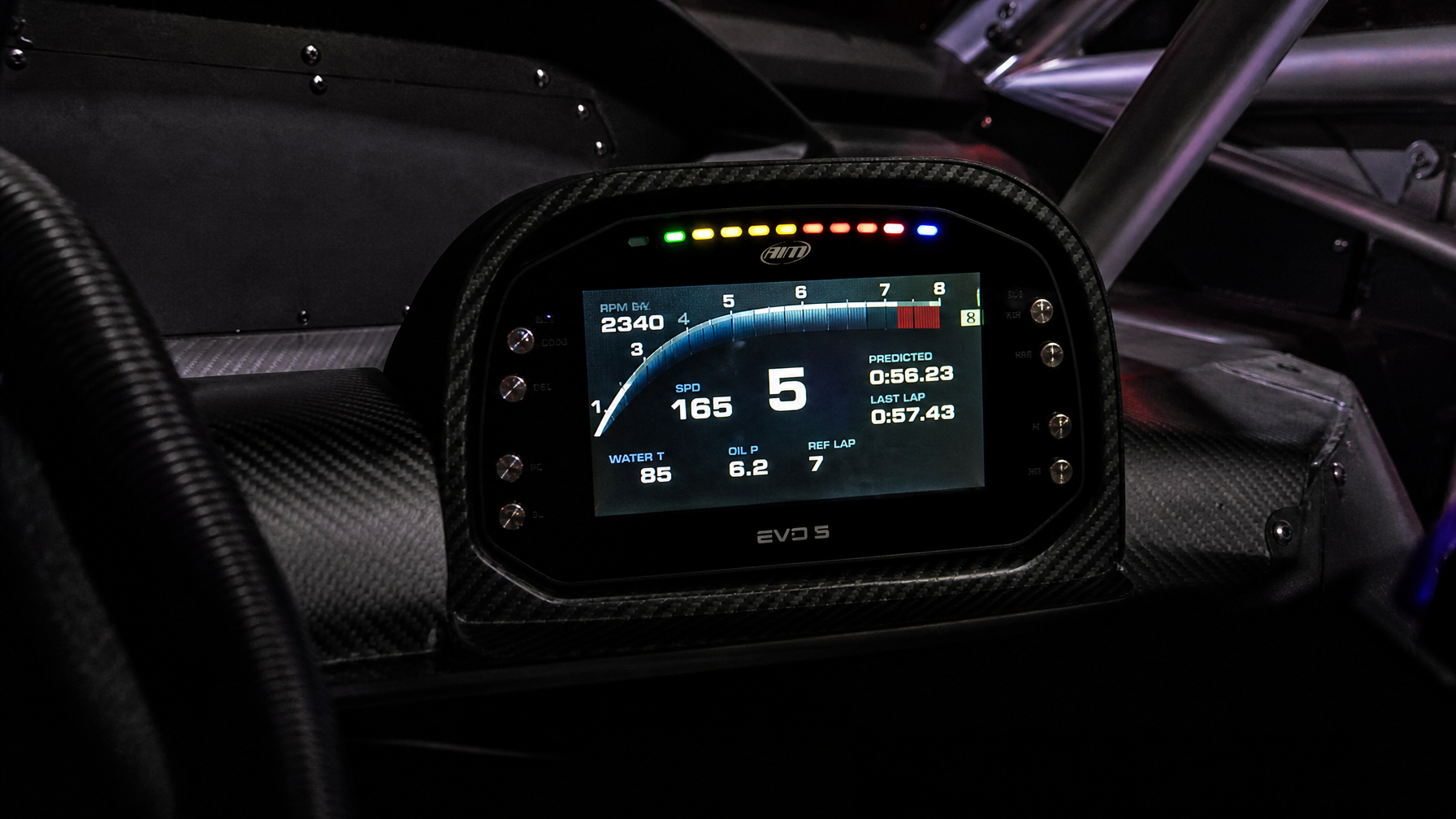
If you're not logging it, you're guessing. Driver feedback is useful, but it's filtered through feel, adrenaline, and the limitations of human perception at speed. Data doesn't have those problems. A properly configured data system tells you exactly where the car is gaining or losing time, which corner your brake point changed between sessions, and whether the setup change you made in the paddock actually did what you intended or just felt different.
We install and configure AiM EVO5 and Sports series dash loggers, Motec C-series displays, and custom video overlay systems using SmartyCam and GoPro with the AiM video module. Every install starts with a sensor map specific to the platform — which channels matter for the discipline, where the sensors mount without creating interference, and how the dash is laid out for at-a-glance readability at speed. We then configure the logging parameters, warning thresholds, and channel math before the car turns a wheel.
After the first track session, we offer a data analysis walkthrough — pulling the logs and walking through the data with the driver to identify the three or four things that will have the biggest impact on lap time. The install is the easy part. Getting value from the data is the point.
Why Houston Builders
Choose a Full-Service Shop.
The biggest reason builds go sideways isn't a bad part — it's shop-hopping. Here's what actually happens when one shop builds the whole car, and why it's a fundamentally different experience than visiting four specialists who've never talked to each other.
From Consult to
Track-Ready: Our
5-Step Build Process.
Every build — from a bolt-on tune to a full race car build — follows the same five steps. This is the process that keeps quotes accurate, timelines honest, and the finished car built the way you actually described it.
Build Types We
Specialize In.
Most customers come in with a use case, not a parts list. These are the six archetypes that cover the majority of what we build. One of these will probably sound exactly like your car — or a blend of two will.


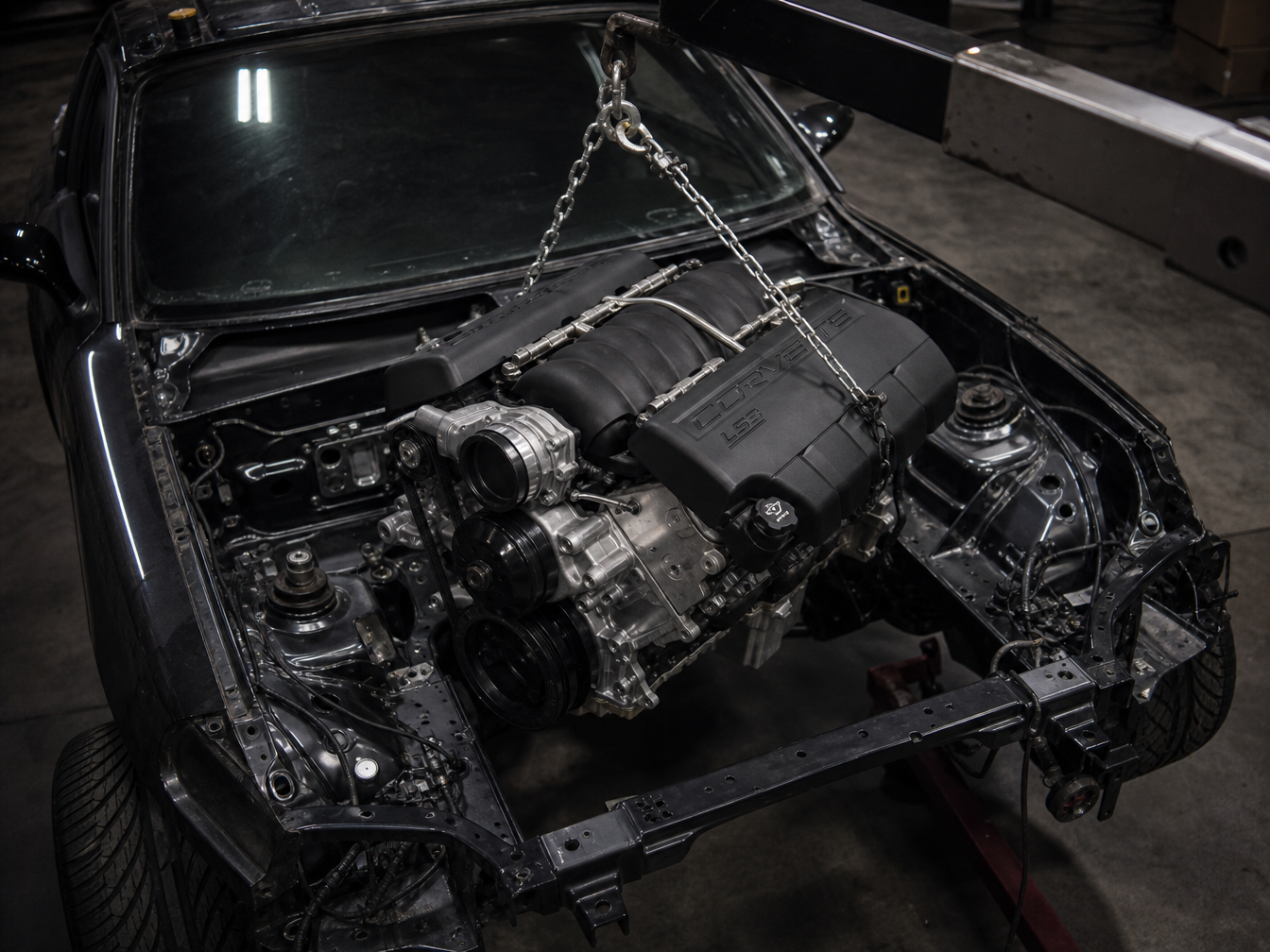
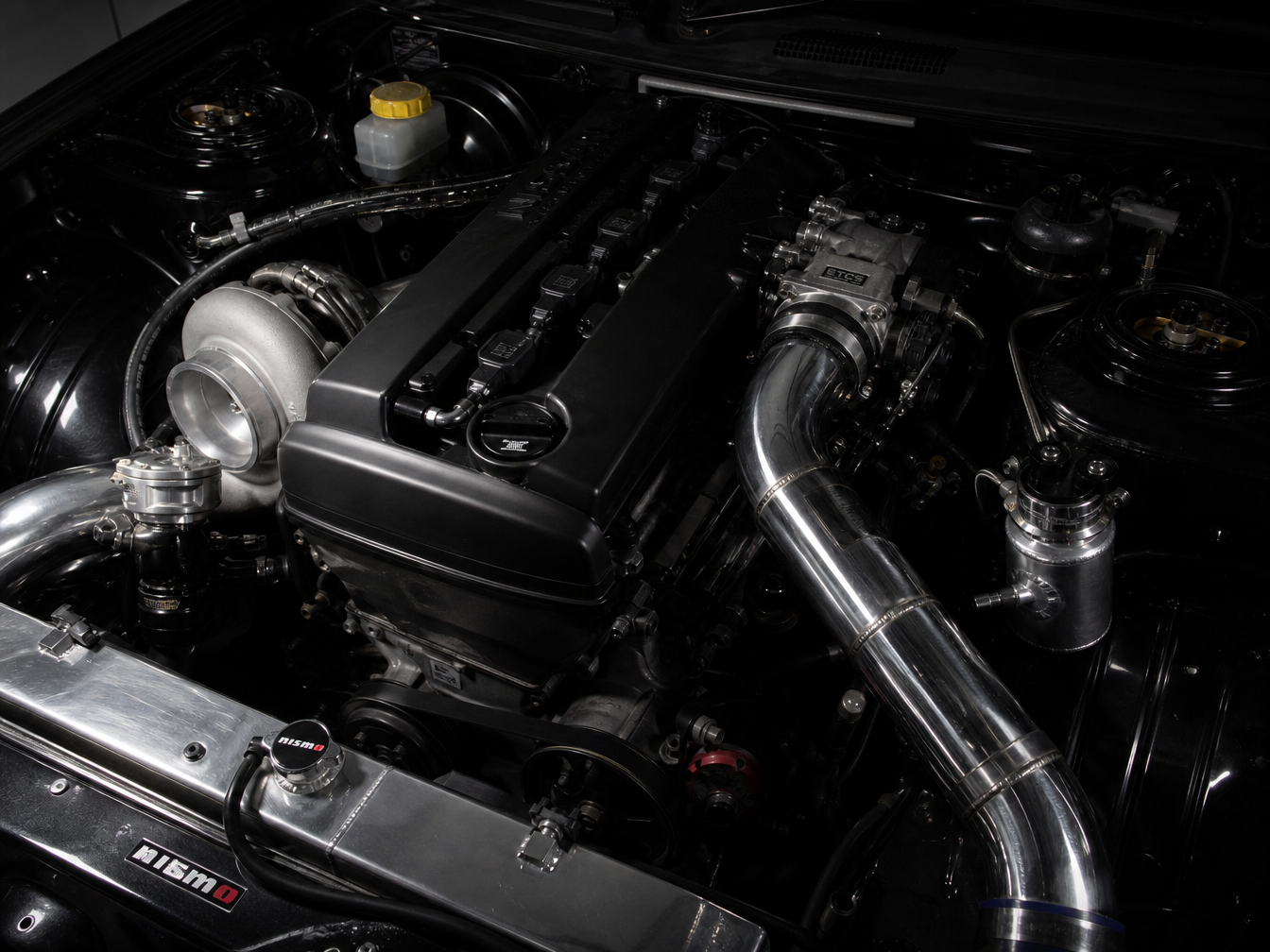
Domestic & Import.
We Know Both.
What Sets
Iron Ridge Apart.
Performance Build
Terminology.
Walk into any shop and you'll hear terms that sound like inside language. Here's what the words actually mean — so you can spec a build intelligently and compare quotes fairly.
Full-Service Build
Shop FAQ.
The questions we get most often from customers who are new to building performance cars. If yours isn't here, the consult is free — just call.
If it bolts, welds, wires,
or tunes — we probably do it.
This page covers the core categories. Call if you have something specific in mind — we'll tell you straight up whether it's in our scope and what it actually involves.
Not Sure
Where to
Start?
Tell us about the car, what you're after, and where you are in the build. One of our builders will call you — not email you — to walk through the options.
By submitting, you agree to be contacted by Iron Ridge Motorsports by phone or text. We do not sell your information.

IRON RIDGE MOTORSPORTS


